


 +1 (321) 641-0497
Heavy Equipment Hauling – Instant Quotes
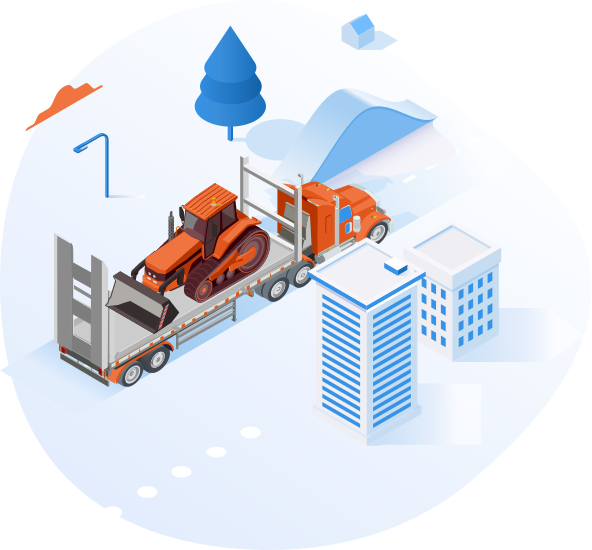
Get competitive quotes for transporting heavy machinery, oversize loads, and industrial equipment anywhere in the continental USA. Our network of vetted carriers operates specialized lowboy, flatbed, and RGN trailers – matched to your exact cargo and route.
Calculate Shipping Cost
Heavy Equipment Transport Services We Offer
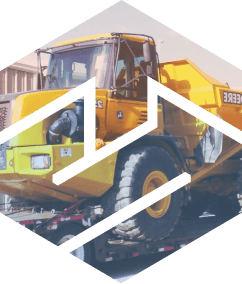

Construction Equipment Shipping
Transport for excavators, haulers, and loaders via lowboy or step-deck trailers. Expert handling for all heavy machinery.

Agricultural Equipment Transport
Combines, headers, and harvesters shipped with oversized permits. Specialized equipment for heavy processing machinery.

Mining Equipment Hauling
High-weight hauls for shovels, bulldozers, and graders. Specialized trailers with mandatory route surveys and planning.

Farm Equipment Transport
Row-crop tractors, balers, and cotton pickers. Safe transport with professional tie-downs and loading ramps included.

Paving Equipment Hauling
Road reclaimers, chip spreaders, and asphalt compactors. Equipped for heavy paving machinery of all configurations.

Oversize Equipment Shipping
Logistics for aircraft, helicopters, and industrial modules. Full coordination of pilot cars, permits, and state notifications.
How Does Heavy Equipment Hauling Work?
3 Easy steps to move your heavy equipment

Get a quote & Book an order
Heavy equipment transport is significantly more complex than standard vehicle shipping. It requires specialized trailers, load permits, axle weight calculations, and experienced drivers with a proven record in oversized cargo.
To generate an accurate quote, we need:
– Make, model, and type of equipment
– Dimensions and total weight
– Pickup and delivery ZIP codes
– Your contact phone and email
We recommend requesting quotes several days in advance. Carriers will verify trailer availability on your route, confirm permit requirements, and send full shipment details to your email. Once you approve and place the order, exact pickup and delivery addresses will be confirmed.
Carrier Picks Up Your Equipment
After the transport agreement is signed, a dedicated logistics manager is assigned to your order. Once a driver is confirmed, you’ll receive a carrier details email including driver name, contact number, and preparation instructions specific to your equipment type.
The driver or dispatcher will call you in advance to confirm the pickup window. After the equipment is loaded and secured on the trailer, the dispatcher marks the order as active and your shipment is underway.
Receive and Inspect Your Equipment
The driver will contact you before arrival to confirm the estimated delivery time. Upon delivery, carefully inspect your equipment for any damage or missing components before signing the Condition Report. Do not sign until you are fully satisfied – any issues must be documented at this stage for insurance purposes.
After delivery, we kindly ask you to rate your carrier experience. Your feedback helps maintain quality across our carrier network.
How Much Does It Cost to Transport Heavy Equipment?
Shipping Cost
Transit Time
| Origin | Destination | Average cost | Cost per mile |
|---|---|---|---|
| Columbus, OH | Pittsburgh, PA | $700 | $4 |
| Louisville, KY | Conway, AR | $2272 | $4.5 |
| Wichita, KS | Ogden, UT | $4200 | $4.25 |
| Reno, NV | Idaho Falls, ID | $2490 | $4.3 |
| Denver, CO | Fargo, ND | $3500 | $4.75 |
| Jacksonville, FL | Mobile, AL | $1600 | $5 |
| Cheyenne, WY | Rapid City, SD | $1100 | $4.5 |
Origin
Columbus, OH
Destination
Pittsburgh, PA
Average cost
$700
Cost per mile
$4
Origin
Louisville, KY
Destination
Conway, AR
Average cost
$2272
Cost per mile
$4.5
Origin
Wichita, KS
Destination
Ogden, UT
Average cost
$4200
Cost per mile
$4.25
Origin
Reno, NV
Destination
Idaho Falls, ID
Average cost
$2490
Cost per mile
$4.3
Origin
Denver, CO
Destination
Fargo, ND
Average cost
$3500
Cost per mile
$4.75
Origin
Jacksonville, FL
Destination
Mobile, AL
Average cost
$1600
Cost per mile
$5
Origin
Cheyenne, WY
Destination
Rapid City, SD
Average cost
$1100
Cost per mile
$4.5
| Mileage | *Average Transit Time(estimated distance) |
|---|---|
| 0 - 799 Miles | 1 - 3 Days |
| 800 - 1499 Miles | 6 - 7 Days |
| 1500 - 2399 Miles | 6 - 7 Days |
| 2400 Miles and Up | 8 - 12 Days |
Mileage
0 - 799 Miles
*Average Transit Time
1 - 3 Days
Mileage
800 - 1499 Miles
*Average Transit Time
6 - 7 Days
Mileage
1500 - 2399 Miles
*Average Transit Time
6 - 7 Days
Mileage
2400 Miles and Up
*Average Transit Time
8 - 12 Days
Note: The rates above reflect average baseline costs for standard heavy equipment transport. Your final quote will vary depending on the machine’s exact weight and dimensions, required trailer type (step-deck, RGN, or lowboy), and the need for oversize load permits or pilot cars.
FAQ
How should I prepare my heavy equipment for transport?


Equipment must be cleaned and prepared according to type-specific transport standards before pickup. Remove or secure all loose parts, lower attachments, and retract extendable components. If specialized packaging is required, consult the manufacturer's guidelines. The carrier is responsible for safe transport once the equipment is loaded – pre-shipment preparation is the owner's responsibility.
What happens if a part gets damaged or lost during transit?
We work exclusively with insured, professional carriers who conduct detailed inspections at every stop. In the event of damage or loss, the shipping company will assist you in filing a formal claim with the carrier's insurance provider. All damage must be documented on the Condition Report at delivery for the claim to be processed.
How far in advance should I book heavy equipment transport?
Plan at least 1–2 weeks ahead. It typically takes up to one week for carriers to schedule a qualified driver for a heavy haul route. Drivers specializing in oversized equipment plan their routes several weeks in advance. Last-minute bookings are sometimes possible but may limit carrier options and increase cost.
Do I need to be present at pickup or delivery?
No. Any authorized representative – a colleague, neighbor, or family member – can release the equipment at pickup or accept delivery. At pickup, they must sign the Bill of Lading. At delivery, they must inspect the equipment and sign the Condition Report. Cash or certified funds are typically required for the driver at delivery.
How can I track my heavy equipment shipment?
Once a driver is assigned, you receive their direct name and phone number. You can contact the driver at any time for a location update. Your assigned shipping manager is also available by call or text to check the driver's current position and estimated arrival time.
What trailer types are used for heavy equipment shipping?
The trailer type depends on equipment height, weight, and dimensions. Common options include lowboy trailers (for tall or heavy machinery), RGN (removable gooseneck) trailers for drive-on loading, step-deck trailers for mid-height loads, and flatbed trailers for lighter equipment. Your carrier will recommend the appropriate trailer based on your cargo specifications.