



6 MIN

May 26, 2022
How to Ship a Motorcycle in 2026: Cost, Transport Types & Prep Checklist
Motorcycle shipping is the process of transporting a bike via a licensed carrier on an open or enclosed trailer, without riding it to the destination. Shipping a motorcycle costs $150–$400 for regional routes under 500 miles and $400–$900 for cross-country transport using open transport. Enclosed transport costs 40–60% more and is recommended for classic, custom, or high-value bikes. Standard transit time is 3–7 days for mid-range routes and up to 14 days coast-to-coast. Carriers secure motorcycles using wheel chocks and soft tie-down straps – not chains – to prevent frame and finish damage during transit.
Our quick motorbike shipping guide covers the following topics:
How to Ship a Motorcycle – Step by Step
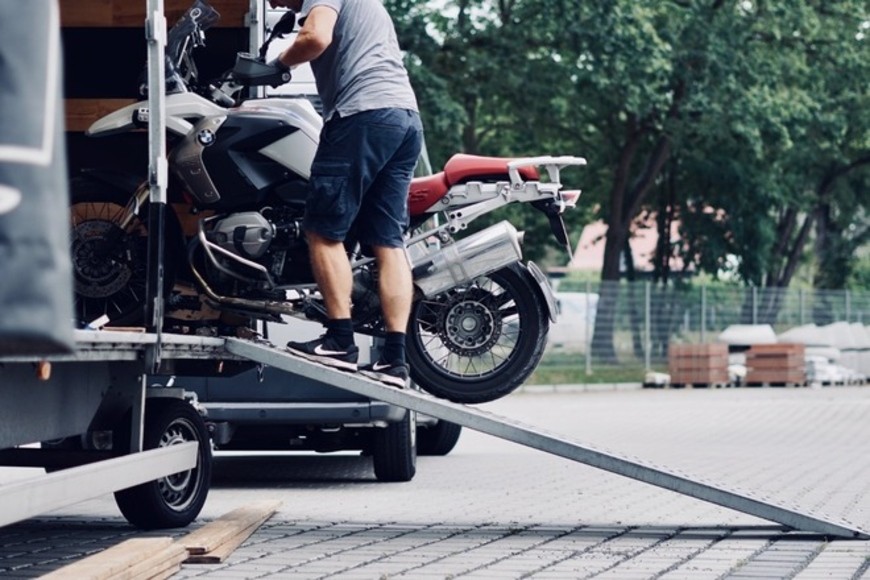
Shipping a motorcycle involves five steps from booking to delivery. The process is the same for open and enclosed transport – the difference is trailer type and cost.
Step 1 – Get quotes and verify the carrier Request quotes from at least 3 FMCSA-licensed carriers. Provide: motorcycle year, make, model, and any modifications; operational status (running or non-running); pickup and delivery ZIP codes; preferred transport type (open or enclosed); and required delivery date. Verify each carrier’s USDOT number and active cargo insurance at safer.fmcsa.dot.gov before booking. Minimum cargo insurance for licensed carriers is $100,000.
Step 2 – Book and confirm in writing Once you select a carrier, confirm in writing: total price, pickup window (typically 1–5 business days from requested date), estimated delivery window, accepted payment method at delivery (most carriers require cash or certified funds), deposit amount ($0–$150), and the carrier’s cancellation and reschedule policy. Do not book with carriers that require full payment before pickup.
Step 3 – Prepare your motorcycle Preparation is the shipper’s responsibility – not the carrier’s. Complete the following before the driver arrives:
Step 4 – Pickup and Bill of Lading At pickup, the driver will conduct a pre-transport inspection and document the motorcycle’s condition on the Bill of Lading. Review every entry on the Bill of Lading before signing – ensure all pre-existing damage is listed. Do not sign a clean Bill of Lading if any damage is not documented. Retain your signed copy and pre-transport photos throughout the shipment.
Step 5 – Delivery and final inspection Before signing the delivery Bill of Lading, inspect the motorcycle against your pre-transport photos. Check the frame, fairings, mirrors, exhaust, and wheels. If new damage is present, note it in writing on the delivery receipt before signing – do not sign a clean receipt if damage exists. Pay the remaining balance to the driver in the confirmed payment method. File a written damage claim with the carrier within 24–48 hours if needed.
On TruckSpot Logistics, you can get quotes, and compare companies’ rates.
First, after requesting a quote on our website, you will receive quotes from 7-10 shipping companies that best match your needs. Next, you have to choose which transportation company to work with, providing them with all necessary information such as your exact pick-up and delivery addresses, the year, make, and model of your bike (along with any modifications), and the type of trailer to use (an open or an enclosed one). The shipping agent will send you confirmation documents to sign before proceeding with your order.
Communicate with the driver during pick-up and delivery.
You’ll receive an email and text message with the driver’s information (carrier company name, driver’s name, and phone number) once you`he reached an agreement with him. You need to expect a call from the driver the day before the pick-up and delivery to discuss the exact time you can meet him to release and subsequently receive your bike.
Request the Bill of Lading at the time of pick-up and delivery, as you will need it to file a claim with the carrier’s insurance company if the vehicle is damaged.
Leave a rating and a review for the service you received.
Make sure to provide a review of your motorbike shipping experience to assist others in making the best decision possible. It’s much better if you go into detail about what you appreciate and don’t like about this company, as well as whether or not you would recommend it to others.
With your motorcycle now securely on its way, you can ride the wave of peace that comes from knowing you’ve taken the right steps. From obtaining a competitive quote to finalizing delivery details, each phase in the motorcycle transport process is a building block to ensure your bike’s safe arrival. As we shift gears, let’s steer into understanding the costs involved in shipping your motorcycle. Knowing the expenses upfront can help you budget effectively and avoid any bumps on the financial road ahead.
Motorcycle Shipping Costs in 2026
Motorcycle shipping costs depend on distance, transport type, bike size, and season. The table below shows 2026 cost ranges for standard motorcycles by route:
| Route | Distance | Open Transport | Enclosed Transport |
| Local / regional | Under 500 miles | $150–$400 | $250–$600 |
| Mid-range | 500–1,500 miles | $350–$600 | $550–$950 |
| Cross-country | 1,500+ miles | $500–$900 | $800–$1,400 |
| California → New York | ~2,800 miles | ~$700–$900 | ~$1,100–$1,400 |
| Florida → New York | ~1,280 miles | ~$400–$600 | ~$650–$950 |
Factors that affect motorcycle shipping cost:
Transport type: Enclosed transport costs 40–60% more than open transport. Open transport is sufficient for most standard bikes. Enclosed transport is recommended for classic, custom, show, or high-value motorcycles where paint and finish protection is a priority.
Bike size and type: Standard cruisers and sport bikes ship at base rates. Oversized bikes – Tri-Glides, bikes with sidecars, or custom builds with extended dimensions – may require a flatbed trailer and cost $100–$300 more due to additional space and specialized tie-down requirements.
Operational status: Non-running motorcycles that cannot be ridden onto the trailer require winch or ramp-assisted loading and add $50–$150 to the base rate. Disclose non-operational status at booking – misrepresentation can result in additional charges or refusal at pickup.
Seasonality: Peak shipping season (May–September) increases rates 10–20% due to higher demand. Late autumn through February typically offers the lowest available rates on most routes.
Distance and route: Per-mile rates decrease on longer routes – cross-country shipping costs less per mile than regional hauls. Delivery to rural areas or locations more than 50 miles from a major highway may add $75–$200 due to limited carrier availability on those routes.
How to Prepare Your Motorcycle for Shipping – Checklist
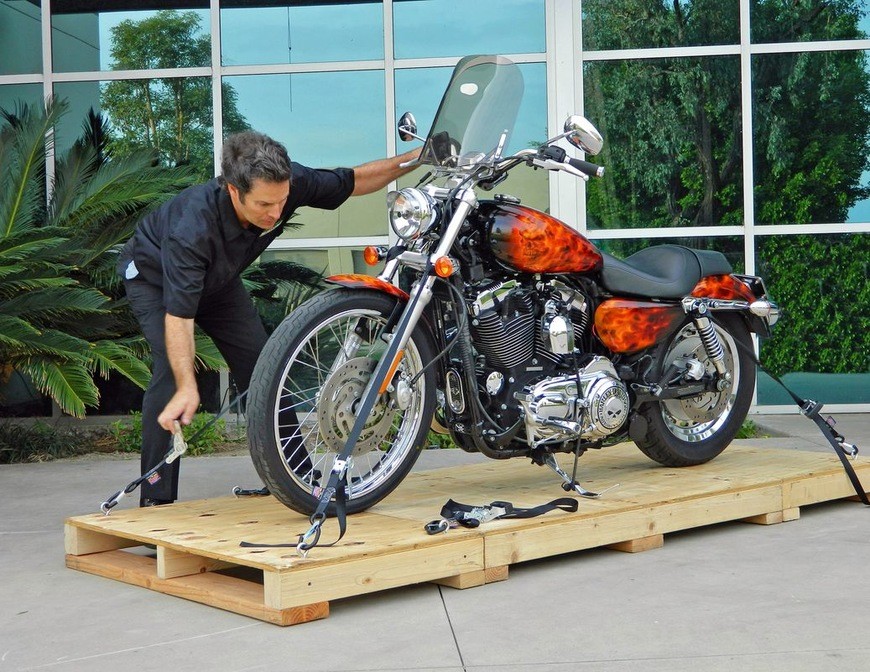
Preparation failures are the primary cause of disputed damage claims and unexpected charges in motorcycle shipping. The checklist below covers all required actions before carrier arrival.
Before booking:
Before pickup:
At pickup:
Motorcycle shipping is straightforward when the carrier is verified and the bike is properly documented before pickup. The three most common mistakes are: signing a clean Bill of Lading at pickup without checking for pre-existing damage, failing to remove accessories that shift during transport, and not confirming the carrier’s cargo insurance before booking. For standard open transport, book 2–3 weeks before the required delivery date; for enclosed transport during peak season (May–September), book 3–4 weeks out.
Truck Spot Logistics connects shippers with FMCSA-licensed carriers experienced in motorcycle transport, offering open and enclosed options with door-to-door service across the continental US. Get a free quote with your bike details and required delivery date.
FAQs
How much does it cost to ship a motorcycle?
Motorcycle shipping costs $150–$400 for regional routes under 500 miles and $500–$900 for cross-country transport using open transport. Enclosed transport costs 40–60% more: $250–$600 regionally and $800–$1,400 cross-country. Oversized bikes (Tri-Glides, bikes with sidecars) cost $100–$300 more than standard motorcycles. Rates are 10–20% higher during peak season (May–September). Comparing 3 quotes from FMCSA-verified carriers typically reduces cost by 15–25%.
How long does motorcycle shipping take?
Motorcycle shipping takes 1–3 days for regional routes under 500 miles, 3–7 days for mid-range hauls of 500–1,500 miles, and 7–14 days for cross-country transport. During peak season (May–September), transit times may extend by 2–4 days due to higher carrier demand. Standard pickup windows are 1–5 business days from the requested date. Expedited pickup guaranteeing a specific date adds $100–$200 to the base rate.
Can I ship my motorcycle with personal items in the saddlebags?
Most FMCSA-licensed carriers prohibit personal items inside or attached to the motorcycle during transport. Saddlebag contents are excluded from the carrier’s cargo insurance – if items are lost or damaged, there is no coverage. Some carriers allow lightweight items under 10 lbs in hard-locked saddlebags, but this must be confirmed in writing before pickup. Remove all loose items, tank bags, and tail bags before handoff regardless of carrier policy.
Do I need to drain fluids from my motorcycle before shipping?
You do not need to drain all fluids before shipping. Reduce fuel to one-quarter tank or less – this minimizes weight and fire risk during transport. Engine oil, coolant, and hydraulic fluids should remain at normal operating levels unless there is an active leak. Active leaks must be repaired before pickup – carriers can refuse a motorcycle that is leaking fluids. Confirm any specific fluid requirements with your carrier when booking.
How far in advance should I book motorcycle shipping?
Book motorcycle shipping 2–3 weeks before the required delivery date for standard open transport. During peak season (May–September), book 3–4 weeks in advance as carrier availability for motorcycle-specific trailers drops significantly. Last-minute bookings under 7 days during peak season cost 20–35% more and may limit transport type options. For enclosed transport of high-value or classic bikes, book 3–4 weeks out year-round due to lower availability of enclosed motorcycle carriers.
Is enclosed transport worth the extra cost for motorcycle shipping?
Enclosed motorcycle transport costs 40–60% more than open transport but protects the bike from weather, road debris, and UV exposure during transit. It is worth the additional cost for classic motorcycles, custom paint jobs, show bikes, or any bike valued over $15,000–$20,000 where paint and finish protection justifies the premium. For standard commuter or touring bikes in everyday condition, open transport is sufficient and significantly cheaper. The enclosed vs open decision is primarily about risk tolerance and bike value, not transport distance.
What documents do I need to ship a motorcycle?
Required documents for motorcycle shipping include: vehicle title or registration, current proof of insurance, government-issued ID, and a copy of the transport agreement. If a third party will handle pickup or delivery on your behalf, a notarized Power of Attorney is required. The Bill of Lading – signed at pickup and delivery – is the most critical document for any damage claim. Without a pickup Bill of Lading documenting pre-existing condition, damage claims can be denied by the carrier’s insurance.