




8 MIN

Dec 19, 2023
Shipping a Leased Car: Step-by-Step Guide [2026]
Shipping a leased car requires written permission from your leasing company, proof of insurance coverage during transport, and a review of mileage and geographic restrictions in your lease agreement. Most leases allow out-of-state transport if approved in advance. TruckSpot Logistics connects lessees with licensed carriers offering open and enclosed transport options with door-to-door delivery across the US.
Leased vehicles come with specific terms that can affect transport options. This article, presented by TruckSpot Logistics, sheds light on these nuances, offering clear, actionable advice for those looking to navigate these waters. Our guide aims to answer common questions such as “Can you take a leased car out of state?” and the procedures for getting permission to ship a financed car. Read on for a comprehensive breakdown of what you need to know.
Understanding Leased Car Transport

A leased vehicle remains the legal property of the leasing company throughout the lease term. This means the lessee must follow the lease agreement’s rules before arranging transport – including geographic restrictions, mileage caps, and insurance minimums.
When it comes to shipping a leased car, there are several factors to consider that set it apart from transporting a car you own outright. Leased vehicles are governed by specific terms set out in the lease agreement, which can impact your ability to transport the vehicle, especially when crossing state lines.
Leasing Agreements: A leased car is legally owned by the leasing company, not the driver. As a result, transporting a leased vehicle – whether across town or across state lines – typically requires advance approval from the lessor and may be subject to mileage limits, geographic restrictions, and specific insurance requirements outlined in the lease contract.
Mileage and Wear: Many leasing agreements have restrictions on mileage and wear and tear. Transporting the vehicle, particularly over long distances, can impact these terms, making it important to consider the method of transport.
Key Terms in Your Lease Agreement
Understanding your lease agreement is critical when considering shipping a leased car. Here are some key terms to look for:
| Lease Term | What to Check |
| Geographic restrictions | Can you take the car out of state? |
| Transport permission | Is written approval required? |
| Mileage cap | Does shipping count toward mileage? |
| Insurance requirements | What coverage is required during transit? |
Impact of Transport on Leased Vehicles
When you opt to ship a leased car, it’s not just about getting it from point A to point B; it’s also about maintaining the condition of the vehicle in line with your lease terms. Here are some considerations:
In summary, shipping a leased car involves careful consideration of your lease terms, particularly regarding geographical restrictions and maintenance of the vehicle’s condition. Understanding these terms is vital to ensuring a smooth transport experience that aligns with your contractual obligations.
Navigating the world of vehicle transport, especially when it involves leased or rental cars, can often feel like a complex puzzle. To help you piece together this puzzle, we’ve created an informative video that simplifies the process.
This guide not only walks you through the basics of car rental in the USA but also delves into the nuances of vehicle inspections, local laws, and safety tips. With these insights, you’re now better equipped to make informed decisions, whether you’re renting a car for a trip or needing to transport your leased vehicle.
Challenges and Solutions in Leased Car Transport
Transporting a leased car presents unique challenges that require specific solutions. Whether it’s shipping a leased car within the same state or moving with a leased car across the country, it’s essential to navigate these challenges effectively.
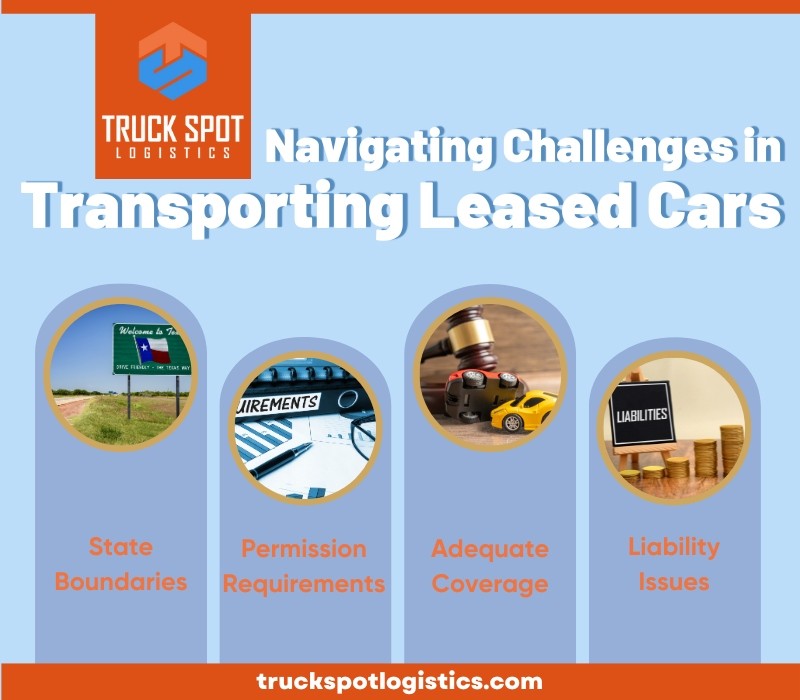
Navigating Contractual Restrictions
Challenges:
Solutions:
Insurance and Liability: What You Need to Know
Challenges:
Solutions:
In conclusion, the key to successfully shipping a leased car lies in understanding and navigating the contractual and insurance-related challenges. By taking the time to review your lease agreement, securing the necessary permissions, and ensuring adequate insurance coverage, you can ensure a smooth and compliant transport process.
Preparing for Leased Car Shipping
Effective preparation is crucial for a hassle-free experience when shipping a leased car. Whether you’re moving with a leased car or arranging the transport of a financed vehicle, taking the right steps ensures a smooth process.
How to ship a leased car: 5 steps
Pre-shipment Checklist for Your Vehicle
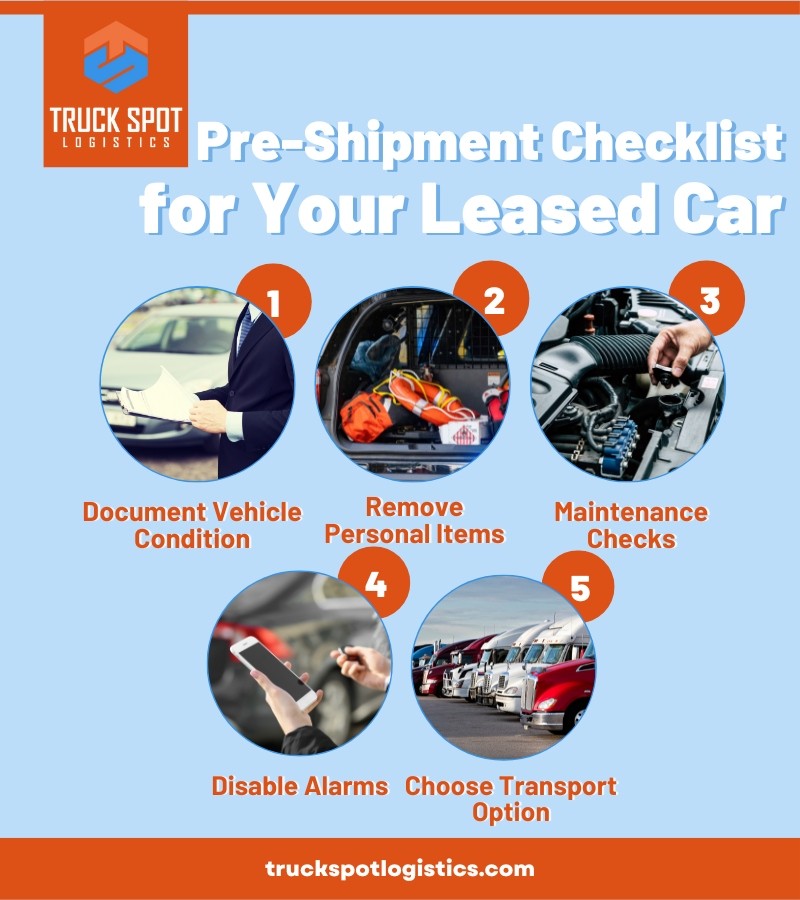
Proper vehicle preparation is vital for both safeguarding your vehicle and adhering to your lease terms. Follow this checklist to ensure readiness:
By meticulously preparing your leased vehicle for transport, you can ensure a successful and stress-free shipping experience. Preparation not only protects your vehicle but also helps in complying with the terms of your lease.
Successfully shipping a leased car involves a thorough understanding of your lease agreement, securing the necessary permissions, and ensuring the vehicle is adequately prepared for transport. By addressing these key areas, you can navigate the complexities of car shipping with confidence. Remember, whether you are moving with a leased car or handling the transport of a financed vehicle, preparation and knowledge are your best allies.
TruckSpot Logistics is here to assist you every step of the way. Our platform simplifies the process of comparing transport quotes, ensuring you find the most efficient and cost-effective solution for your needs. So, when you’re ready to move your leased vehicle, remember that careful planning and the right resources can make all the difference in ensuring a smooth, stress-free experience.
FAQs
Is it more expensive to ship a leased car than an owned one?
No. The cost to ship a leased car is the same as shipping an owned vehicle. Pricing depends on transport distance, vehicle size, and transport type (open vs. enclosed). Leased status does not affect the carrier’s rate. A cross-country shipment in the US typically costs between $800 and $1,500, depending on route and carrier.
Can you take a leased car out of state?
In most cases, yes – but written permission from your leasing company is required first. Some leases restrict out-of-state transport without prior approval. Contact your lessor, confirm any geographic clauses in the agreement, and obtain written authorization before scheduling transport. Violating this clause may result in penalties or breach of contract.
What happens if my leased car gets damaged during shipping?
Document the vehicle’s condition with dated photos before pickup. If damage occurs during transport, file a claim with the carrier immediately at delivery – note any damage on the Bill of Lading before signing. The carrier’s cargo insurance is required by federal law (FMCSA) and must cover damage caused during transit. Always request a copy of the carrier’s insurance certificate before shipping.
How long does it take to ship a leased car across the country?
Coast-to-coast car shipping in the US typically takes 7–14 days. Regional routes (under 500 miles) usually take 1–3 days. Transit times depend on route availability, pickup scheduling, and weather conditions. Door-to-door delivery generally takes 1–3 days longer than terminal-to-terminal shipping.
Do I need to inform my leasing company if I ship my car to another state temporarily?
Yes. Notify your leasing company before shipping a leased car out of state, even for a short period. Most lease agreements require prior written approval for geographic relocation of the vehicle. Failure to notify may violate the lease terms and result in fees or early termination penalties.
What if my lease doesn’t allow out-of-state transport?
If your lease prohibits out-of-state transport, contact the leasing company directly to request a temporary exception. Many lessors will grant written permission for relocation due to employment, military deployment, or other documented reasons. If permission is denied, explore whether returning the vehicle early or transferring the lease is an option under your agreement.