


10 MIN

May 22, 2026
Bought a Car Online? Here’s How to Ship It (Step-by-Step)
Buying a car online is no longer rare – it has become the standard way to find the exact model, trim, and price you want outside your local market. Whether you found a rare classic on Bring a Trailer or scored a great deal on a used SUV from an out-of-state private seller, the transaction is only half the battle. The immediate question after hitting “Buy Now” is: how does a vehicle in Texas get to your driveway in Ohio?
This guide is built specifically for that scenario. When the vehicle is sitting in a stranger’s driveway or at a remote dealership, you have to manage a transaction, an inspection, and a cross-country transport simultaneously. Here is the exact blueprint to coordinate with an unknown seller, protect your financial investment, and get your new car delivered to your door.
Before we begin – here’s what matters most:
Quick links to navigate this article:
How Shipping a Car You Bought Online Differs From Shipping Your Own Car
When you arrange transport for a vehicle you already own, the logistics are entirely under your control. You choose the exact pickup day, you give the keys to the driver, and you sign the initial condition report.
When shipping a car you bought online, you introduce a critical third party into the equation: the seller. This is a person you have likely never met, yet the entire shipping process depends on their cooperation. For the transport to succeed, the seller must:
If the seller fails to coordinate or does not answer the driver’s call on pickup day, the carrier will leave. You will be charged a rescheduling fee, and your delivery will be delayed by days or weeks. Managing the seller is the first and most vital phase of this process.
Before contacting the seller with a timeline, review our car shipping cost guide to understand current pricing and cancellation policies.
Step-by-Step: How to Ship a Car You Bought Online
Moving a vehicle across state lines after a remote purchase requires a strict order of operations. Do not book a transport carrier before you have verified the vehicle’s condition and secured the necessary paperwork. Follow these seven steps.
Step 1: Conduct a Pre-Purchase Inspection BEFORE You Pay
Never wire money or finalize a transport order based solely on photos provided by the seller. Before you transfer funds, hire an independent third party to perform a pre-purchase inspection at the seller’s location. Services like Lemon Squad, CARFAX Vehicle Inspection, or a highly-rated local mechanic in the seller’s zip code typically charge $100–$200. This protects you from undisclosed mechanical issues and creates a documented baseline of the vehicle’s exterior condition before a transport carrier ever touches it.
You can verify the vehicle’s history report using the NHTSA VIN lookup tool before committing to the purchase.

Step 2: Secure the Necessary Documents From the Seller
Once the inspection clears and you finalize payment, request these documents from the seller:
Crucial distinction: The auto transport company does not need the title or registration to move the vehicle. They simply haul cargo from point A to point B. However, you will need these documents to legally register the car once it arrives in your state.

Step 3: Get Quotes and Vet Your Transport Company
Request quotes from two to three auto transport brokers on the same day to get an accurate read on current load board pricing. Provide the exact pickup address (the seller’s location), your delivery address, the vehicle’s make, model, and trim, and your desired timeline.
Do not book with the first company that offers an unusually low price. Verify every broker’s MC number through the FMCSA SAFER database to confirm active operating authority and a valid surety bond. For a full breakdown of red flags and green flags, see our car shipping scams guide.
Step 4: Coordinate the Exact Pickup Details With the Seller
This is where most online buyers make a critical mistake – they assume the broker handles seller communication entirely. You must actively manage this yourself:
Step 5: The Carrier Arrives – Pickup and BOL
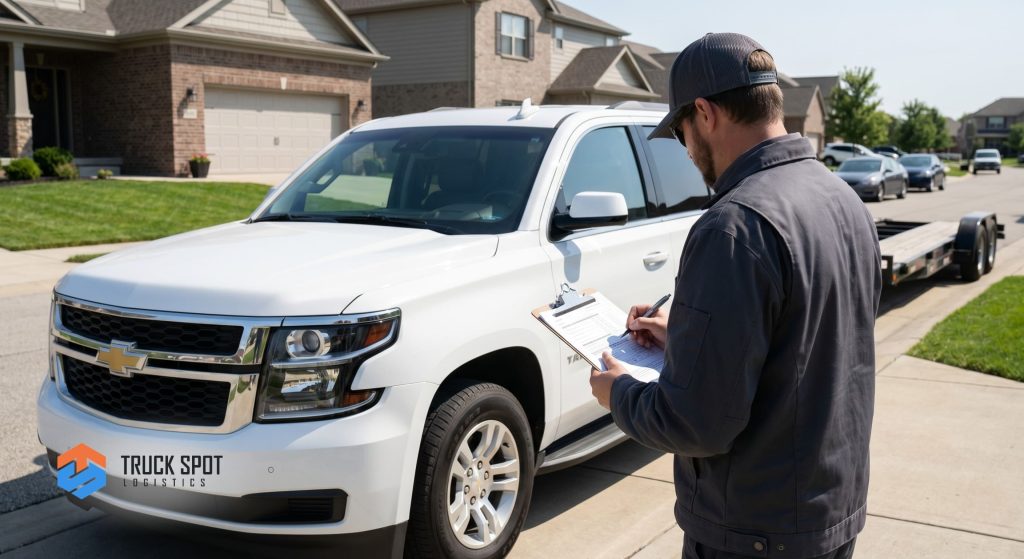
When the carrier driver arrives at the seller’s location, both parties will walk around the vehicle and document its condition. Every existing scratch, dent, and chip must be recorded on the pickup Bill of Lading. The seller signs this document as the releasing party and hands over the keys.
Call your broker immediately after pickup and ask them to send you a digital copy of the signed pickup BOL. You need to see exactly what condition the car was in when the driver took possession – this document is the foundation of any future damage claim.
Step 6: Track the Shipment and Receive Delivery
Your broker will provide the carrier driver’s direct phone number or a tracking link. Check in every two days for a progress report. When the truck arrives at your location, perform a careful inspection of the vehicle alongside the driver before signing the delivery BOL. Compare its current condition against the pre-shipping photos and the pickup BOL notes.
Step 7: Register the Vehicle in Your Home State
The transport company’s job ends when the car reaches your driveway. Take the Bill of Sale, the signed Title, your proof of insurance, and your government ID to your local DMV to pay state taxes and get your permanent license plates. You can find the exact requirements for your state through the official USA.gov state DMV directory.
Ready to start the process? Get an instant car shipping quote and let our dispatch team handle carrier coordination.
Should You Inspect the Car Before or After Shipping?
When buying a vehicle sight unseen from another state, this is one of the most common questions – and the answer is that you actually need three distinct levels of inspection, each serving a different legal and practical purpose.
1. Pre-Shipping Independent Inspection (Recommended)
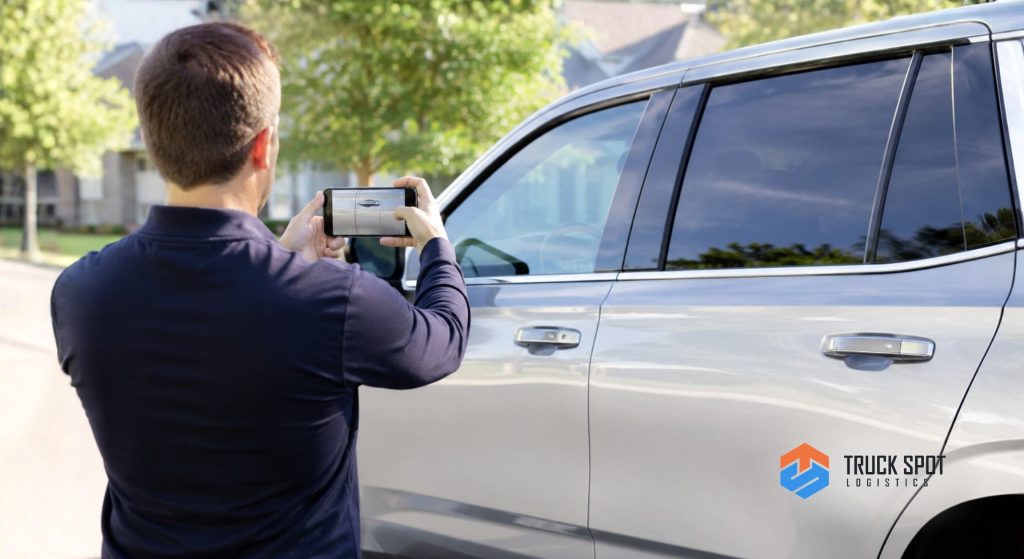
Before the transport carrier is booked, hire an independent service or local mechanic to inspect the car at the seller’s location. This protects you from hidden mechanical failures and undocumented exterior damage. More importantly for the shipping process, it creates a time-stamped visual record of the vehicle’s condition before the carrier takes any responsibility. If the car arrives with a cracked windshield, your pre-shipping inspection report proves the damage did not exist when the seller still had possession.
2. The Pickup BOL Inspection (Mandatory)
When the driver arrives at the seller’s location, they conduct a walkaround visual inspection and note every existing scratch, ding, or fluid leak on the pickup Bill of Lading. The seller must sign this document. It is a binding legal record that establishes exactly what the carrier is financially responsible for while in transit. Without a properly executed pickup BOL, no damage claim can succeed.
3. The Post-Delivery Inspection (Mandatory)
When the car rolls off the trailer at your location, inspect it alongside the driver before signing the delivery BOL. Compare the vehicle’s condition directly against your pre-shipping photos and the notes on the pickup BOL.
If you find discrepancies at delivery, document them immediately on the delivery BOL before signing. For full instructions on the claim process, see our vehicle transport damage guide.
Documents You Need When Shipping a Car You Bought Online
There is a widespread misconception that you cannot ship a car until the title is legally transferred into your name and you have current license plates. This is completely false.
Auto transport carriers are freight haulers – not the DMV. They do not require a vehicle title, registration, or current plates to move a car. This means you can ship the vehicle immediately while the paperwork is still processing in the mail.
| Document | From Whom | Required for Transport? | Why You Need It |
| Bill of Sale | Seller | No | Proves the purchase; required for DMV registration |
| Vehicle Title | Seller | No | Proves legal ownership; mandatory for registering in your home state |
| Odometer Disclosure | Seller | No | Federally required for title transfer on vehicles under 10 years old |
| Pickup BOL | Carrier | Yes | Documents the car’s exact condition at the time of loading |
| Delivery BOL | Carrier | Yes | Documents condition at delivery; primary basis for any damage claim |
| VIN | You or Seller | Yes | The carrier’s primary identifier for confirming they have the correct vehicle |
| Proof of Insurance | You | Recommended | Carrier may request it; required to drive the car after delivery |
Always review the FTC consumer guidance on buying a car online to ensure your bill of sale and payment methods are secure before initiating the transport process.
For a complete pre-shipping checklist to share with your seller, see our auto transport documents guide.
What to Do If the Seller Doesn’t Cooperate
Unlike shipping your own vehicle, an online purchase relies on a stranger’s schedule. Private sellers have day jobs, individual emergencies, and varying levels of communication reliability. If the seller drops the ball, you pay the fees.
The seller stops responding to the broker. Brokers handle dispatching, but if the seller ignores calls from an unknown number, the carrier will not route their truck to that address. Solution: act as the intermediary. Tell the seller exactly what number the driver will call from and set a firm deadline for their availability before you authorize the broker to dispatch.
The seller cannot be present for pickup. Carriers require a physical signature on the pickup BOL. A seller cannot leave the keys under the floor mat and go to work. Solution: if the seller cannot be there during the window, they must designate a representative – a neighbor, a relative, or a co-worker – to give the keys and sign the BOL. Notify your broker of this arrangement in advance.
The seller changes the location or date last minute. If a carrier has already been dispatched and the seller suddenly states the car is at a different address or will not be ready for two more days, the carrier will likely drop the load and charge a “dry run” fee. Solution: always get written confirmation from the seller – via text or email – explicitly agreeing to the 3-to-5-day pickup window and the exact address before you pay the broker’s deposit.
Open vs. Enclosed Transport for an Online Purchase
For the vast majority of online car purchases – a used Honda Civic, a Toyota Highlander, or a standard American sedan – open auto transport is perfectly safe, widely available, and the most cost-effective option.
However, buying a car online introduces one unique dynamic: you are taking delivery of a vehicle you have never personally seen. In specific scenarios, upgrading to enclosed transport provides meaningful extra protection.
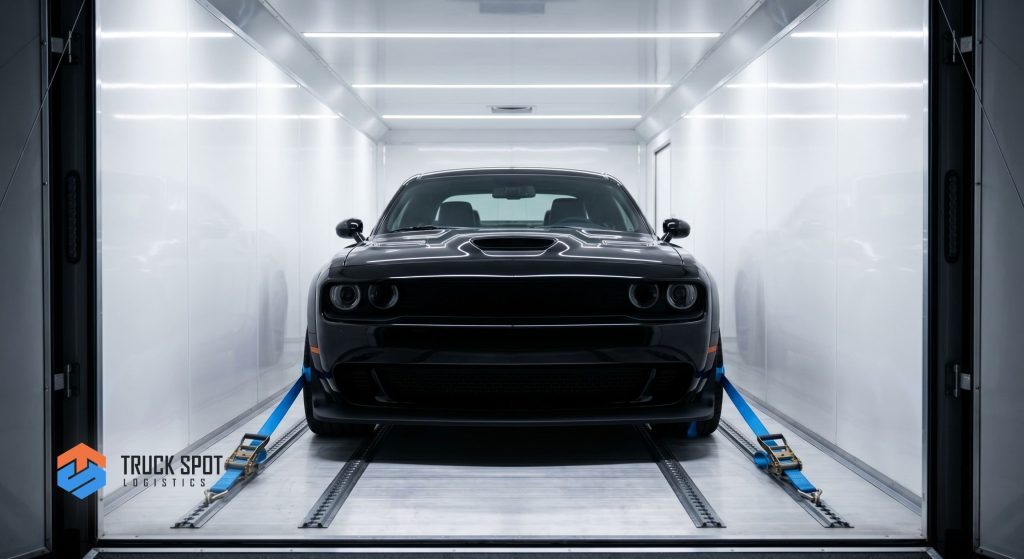
Enclosed transport makes sense for an online purchase when:
The insurance factor. Enclosed carriers typically carry significantly higher cargo insurance limits – often $250,000 or more – compared to standard open haulers. Enclosed drivers also execute a more meticulous inspection during the pickup BOL phase. When you are taking delivery from a complete stranger, that elevated level of documentation and coverage is additional financial protection.
For a full side-by-side comparison of both trailer types, see our enclosed auto transport guide.
What Happens After the Car Arrives – Title, Registration, and Temp Tags
The transport truck drives away and your new car is in your driveway. It likely has no license plates and is not registered in your state.
Managing the Title If you bought from a private seller, they will often mail the physical title separately via FedEx or USPS certified mail so it does not get lost inside the vehicle during transport. This typically takes 5 to 10 business days. Watch out for an “open title” – where the seller signs their name but leaves the buyer’s section blank. This is illegal in many states. Insist the seller fills in your full legal name as the buyer before mailing.
Securing Temporary Tags (Transit Permits) You cannot legally drive the car to the DMV without plates. Most states offer a transit permit or temporary tag specifically for this situation, available through your state’s DMV portal for a small fee of $10 to $20. This gives you the legal right to drive the unregistered vehicle to an inspection station or the DMV. If you purchased from an out-of-state dealership, they will typically issue a 30-day dealer temporary tag before shipping.
Final Registration You generally have 30 to 45 days from the date of purchase to register the vehicle, depending on your state. Bring your signed title, bill of sale, current proof of insurance, and a state-issued ID to your local DMV to pay state sales tax and get your permanent plates.

Conclusion
Shipping a car you bought online is a simple process when you follow the right order of operations. The mistake most buyers make is treating it like shipping their own car – booking a carrier before the seller is confirmed, before an inspection is done, and before the paperwork is sorted. That sequence leads to rescheduling fees, unresolvable damage disputes, and delayed titles.
The buyers who have a trouble-free experience are those who verify the vehicle before paying, coordinate with the seller directly before dispatch, request a digital copy of the pickup BOL immediately after loading, and inspect the car carefully before signing at delivery.
The transport company moves the car. Your job is to control the three variables that sit outside their responsibility: the seller’s cooperation, the vehicle’s documented condition, and the title paperwork.
Start your car shipping quote at TruckSpot Logistics – or explore our full car shipping services for every transport scenario.
FAQ About Shipping a Car You Bought Online
Can I ship a car I bought online if I don’t have the title yet?
Yes. Auto transport companies do not require a title or registration to ship a vehicle – they only need the VIN to identify it. The carrier transports the car from the seller’s location to yours. You will need the title later to register the vehicle in your home state at your local DMV.
Who needs to be present at pickup when shipping a car bought online?
The seller or their designated representative must be present at pickup to give the keys and sign the pickup Bill of Lading. The carrier cannot take possession of the vehicle without a signed condition report. If the seller cannot be there personally, they can authorize a neighbor, family member, or dealer representative to sign on their behalf.
Should I get the car inspected before shipping it?
A pre-shipping independent inspection is strongly recommended when buying a car online from a private seller. It documents the vehicle’s condition before the carrier takes possession, which is your primary evidence if damage occurs during transport. Services like Lemon Squad or CARFAX Vehicle Inspection cost $100–$200 and can also reveal undisclosed mechanical issues before you commit to the purchase.
What if the car arrives damaged – is the seller or the carrier responsible?
The carrier is responsible for damage that occurs in transit. If damage appears on the delivery Bill of Lading but is not on the pickup BOL, file a claim against the carrier’s cargo insurance. If the damage was already documented on the pickup BOL, the issue is between you and the seller. A pre-ship inspection report is your clearest evidence in either scenario.
How long does it take to ship a car bought online?
The total time from booking to delivery ranges from 1 to 2 weeks for most domestic shipments. Allow 1–3 days for a carrier to be assigned after booking, plus 3–7 days in transit depending on distance. Add extra time if the seller needs to prepare the vehicle or coordinate their schedule around the pickup window.
Do I need to be present when the car is delivered?
Yes, either you or a designated adult over 18 must be present at delivery to inspect the vehicle and sign the delivery Bill of Lading. This inspection is your only legal opportunity to document transport damage before releasing the carrier from liability. If you cannot be present, notify your broker in advance and authorize a trusted representative.
Can I ship a car I bought from a private seller, not a dealer?
Yes. Auto transport companies routinely ship vehicles from private sellers, and the process is identical to shipping from a dealership. The key difference is that private sellers may be less familiar with the logistics. Communicate the pickup window clearly, confirm they are available to sign the BOL, and get the exact pickup address in writing before your broker dispatches a carrier.
What documents do I need from the seller before shipping?
Obtain a signed bill of sale showing the VIN, purchase price, and date of sale. For vehicles under 10 years old, request an odometer disclosure statement. Confirm with the seller when and how the title will be transferred – by mail or in person at the DMV. The transport itself does not require these documents, but you will need them for final registration in your home state.