




7 MIN

Jan 18, 2024
Door-to-Door Auto Transport: Complete Guide for 2026
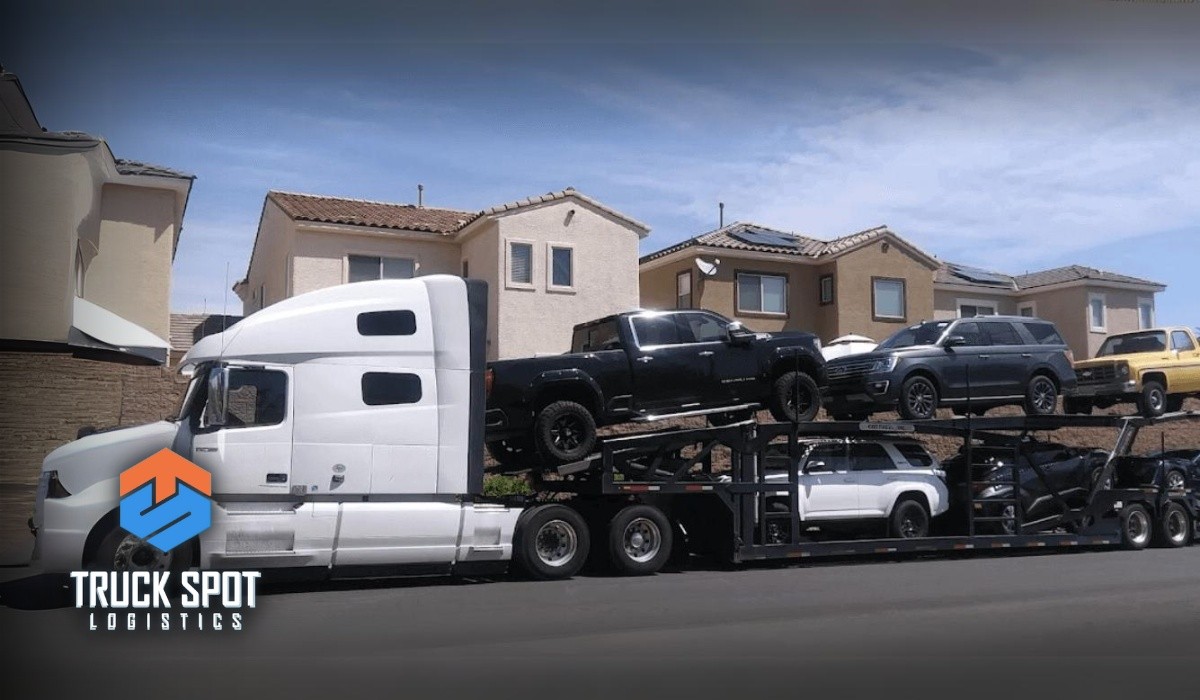
Door-to-door auto transport means a carrier picks up your vehicle at your specified address and delivers it to another address – without you driving a mile. You don’t drop off at a terminal or coordinate a pickup from a lot. The carrier handles both ends.
In 2026, door-to-door service accounts for the majority of individual auto transport bookings in the US. Average pricing ranges from $950–$1,350 for a standard sedan on a 1,000-mile route, depending on season, carrier availability, and transport type (open vs. enclosed).
This guide covers how door-to-door transport works, what it costs, how to prepare your car, how to choose a carrier, and direct answers to the most common questions shippers ask.
How Door-to-Door Auto Transport Works
Picture this: you’re relocating across the country, your car packed to the brim with memories and belongings. The thought of navigating endless highways, battling traffic jams, and enduring countless gas station pit stops sends shivers down your spine. Enter the knight in shining armor – door-to-door auto transport. This superhero of the car shipping world transforms your moving experience from a road trip of dread to a seamless, stress-free journey.
But what exactly makes door-to-door auto transport so special? Here’s why it stands out from the crowd:
Important: The Bill of Lading is your primary legal document. Inspect your vehicle carefully before signing at delivery – once you sign without noting damage, your ability to file a claim is significantly weakened.
Door-to-Door vs. Terminal-to-Terminal: Cost and Trade-offs
Terminal-to-terminal shipping requires you to drop your vehicle at a designated lot and pick it up at a destination lot. It costs less – typically 15–30% below door-to-door – but adds logistical burden on both ends.
Door-to-door is more practical for most individual shippers, particularly for relocations, vehicle purchases, and snowbird seasonal moves. Terminal-to-terminal may make sense if the route has convenient terminal locations and cost is the primary concern.
The break-even point depends on what your time is worth and how far you are from the nearest terminal. For routes over 500 miles, most shippers find door-to-door worth the cost difference.
2026 Pricing: What to Expect
Auto transport pricing in 2026 reflects current fuel costs, carrier capacity, and seasonal demand. The following ranges are based on open carrier, door-to-door transport for a standard sedan:
SUVs, trucks, and larger vehicles typically add $100–$250 to the above ranges. Enclosed transport adds 40–60%. Expedited pickup adds 20–30%.
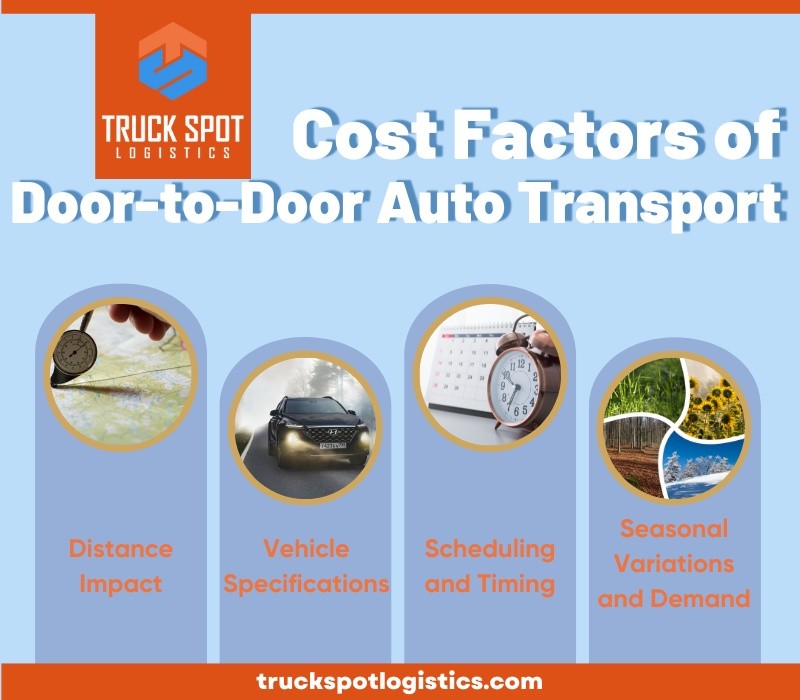
What Drives Price Variation
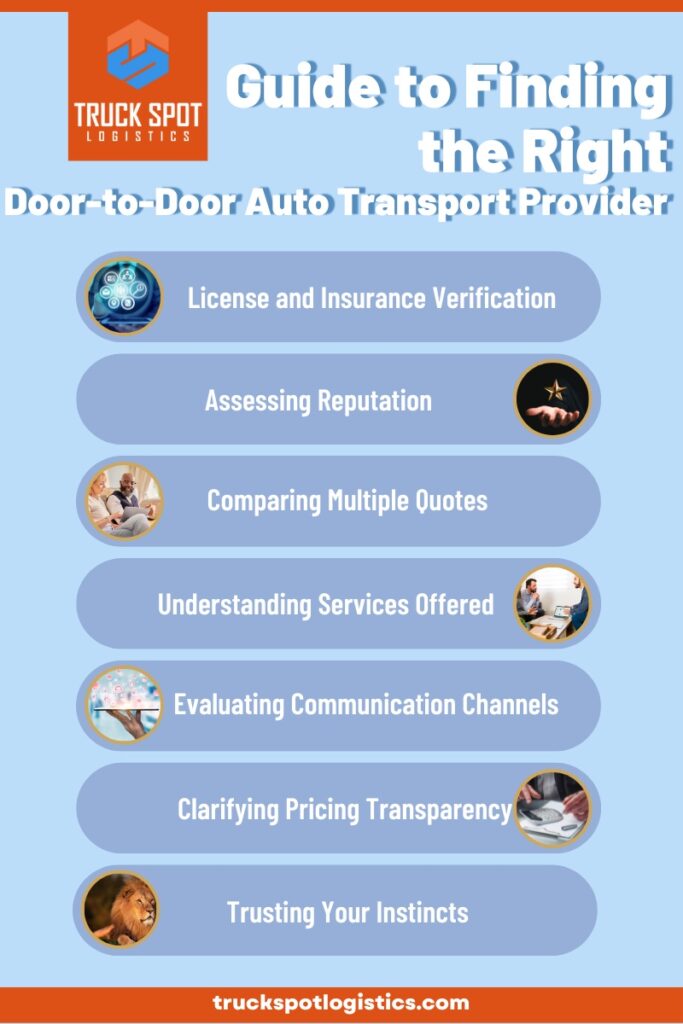
How to Choose the Right Door-to-Door Provider
The auto transport market includes thousands of brokers and carriers. Here’s what separates reliable providers from risky ones.
Preparing Your Vehicle for Transport
So you’ve booked your door-to-door auto transport, traded the road warrior hat for a comfy couch, and are picturing your car magically appearing at your new digs. But before you sip margaritas on the porch, there’s one crucial step: prepping your vehicle for its exciting journey. Think of it as sending your car off to summer camp – a little preparation ensures a smooth trip and a happy homecoming.
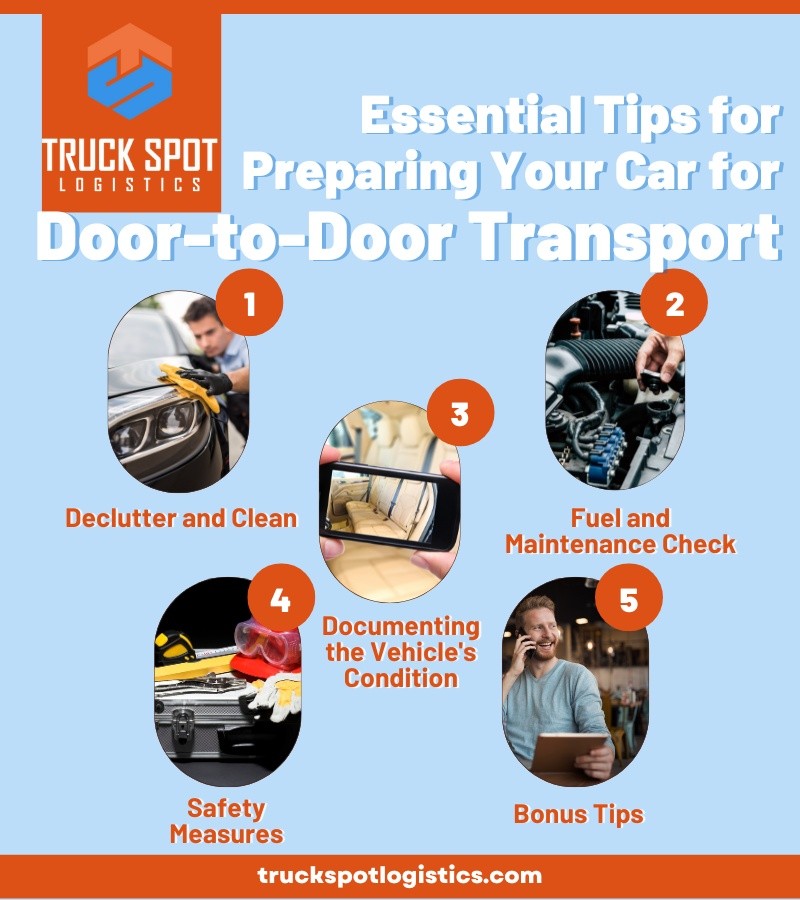
By following these simple tips and best practices, you can send your car off on its door-to-door adventure with confidence, knowing it’s well-prepared for the journey and ready to arrive sparkling clean and unharmed at its destination.
From Satisfied Customers to You: Insights and Learnings from Real-World Door-to-Door Auto Transport Experiences
So, you’re considering the door-to-door auto transport life, but before you trust your beloved car to a transporter and sip margaritas on your porch, you want the inside scoop, right? Well, buckle up, because we’re bringing you real-world experiences from fellow adventurers who’ve already navigated the door-to-door journey.
Sarah, the Cross-Country Queen: “Moving across the country with my dog and a trunk full of belongings was daunting. Door-to-door auto transport saved my sanity! My car arrived safely, and the best part? I got to spend that time exploring new coffee shops and hiking trails instead of battling traffic.”
Mark, the Classic Car Connoisseur: “My vintage Mustang is my pride and joy. Using an enclosed trailer for door-to-door service gave me peace of mind knowing it was protected from the elements and prying eyes. Plus, the driver was a fellow car enthusiast and treated my Mustang like royalty!”
Emily, the Budget-Conscious Traveler: “I admit, I was hesitant about the cost of door-to-door service. But using TruckSpot Logistics to compare quotes and finding a reliable provider at a fair price made it a no-brainer. Skipping the road trip and all those gas station stops actually saved me money in the long run!”
David, the Time-Crunched Professional: “As a busy entrepreneur, time is my most precious asset. Door-to-door auto transport freed up my schedule to focus on work and family while my car made its way to my new city. It was a game-changer!”
Of course, every journey has its bumps. Some customers mentioned communication hiccups with their providers or unexpected delays. But overall, the overwhelming consensus is that door-to-door auto transport delivers on its promises of convenience, peace of mind, and time savings.
Remember, your door-to-door auto transport experience is what you make it. By following these insights from real-world customers, doing your research, and choosing the right provider, you can turn your car’s journey into a stress-free chapter in your adventure.
So there you have it, fellow travelers! The world of door-to-door auto transport awaits, ready to whisk your car away on a stress-free adventure. Remember, it’s not just about the destination; it’s about the journey. Ditch the road trip blues, reclaim your time, and embrace the convenience that door-to-door service offers. With careful preparation, thorough research, and the right provider by your side, your car will arrive at its new home safe, sound, and ready for your next chapter.
For a smooth sailing experience, consider TruckSpot Logistics as your trusted captain. Our platform connects you with a network of reliable door-to-door auto transport providers, allowing you to compare quotes and find the perfect match for your needs and budget. So, arm yourself with the knowledge and insights you’ve gleaned here, buckle up, and let TruckSpot Logistics guide you towards a stress-free and car-tastic door-to-door experience.
Now, go forth and explore, with the open road (or, you know, skipping it entirely) waiting for your next adventure!
FAQs
Is door-to-door auto transport more expensive than terminal-to-terminal?
Yes, door-to-door service typically costs 15–30% more, adding roughly $150–$300 for a 1,000-mile sedan shipment. This premium covers the carrier’s additional fuel, time, and logistics required to reach specific residential addresses. While more expensive, it eliminates the hidden costs and hassle of coordinating independent travel to and from distant storage terminals.
What documentation do I need for door-to-door auto transport?
To ship a vehicle, you must provide a valid government-issued ID, current vehicle registration, and proof of insurance. If the owner is not present, a signed authorization letter is mandatory. The most critical document is the Bill of Lading (BOL). Ensure all pre-existing damage is noted on the BOL before signing, as this is your primary evidence for any future insurance claims.
What happens if my car is damaged during door-to-door transport?
Immediately document damage with high-resolution photos and note specific issues on the Bill of Lading before signing at delivery. Notify the carrier in writing within 24 hours. Federal regulations require carriers to acknowledge claims within 30 days and resolve them within 120 days. Submit your photos, the signed BOL, and a professional repair estimate to initiate the formal reimbursement process.
What is the best time of year to book door-to-door auto transport?
The most cost-effective periods are October through December and March through May, avoiding peak summer and “snowbird” seasons. In 2026, demand spikes from January to March on southern routes and from June to August for general relocations. Booking 2–4 weeks in advance during off-peak months can reduce your shipping quotes by approximately 10–20% due to higher carrier availability.
Can my car be picked up and delivered to different address types?
Yes, though large multi-vehicle trailers face physical limitations in narrow residential streets or areas with low-hanging trees. If your specific address is inaccessible, drivers typically arrange a meeting at a nearby large parking lot or wide thoroughfare within a mile. This remains classified as door-to-door service and does not affect the base pricing, provided the meeting point is in the immediate vicinity.
How long does door-to-door auto transport take in 2026?
Transit times vary by distance: under 500 miles takes 1–3 days; 500–1,500 miles takes 3–5 days; and cross-country trips average 7–10 days. These estimates begin after the 1–3 day pickup window. While expedited shipping can reduce these timeframes by 20–30% for a premium fee, factors like weather, road construction, and mandatory driver rest periods can occasionally extend these standard delivery windows.
How do I find the best door-to-door auto transport provider?
Verify a provider’s FMCSA registration and insurance cargo limits before requesting quotes. Compare at least three detailed estimates, as prices for identical routes often fluctuate by $200–$400. Prioritize companies with transparent claims processes and positive communication ratings. Avoid providers demanding full upfront payment; the industry standard involves a small deposit at booking with the remaining balance paid upon successful delivery.






[…] with tight streets, expect a slightly longer pickup window or a meeting point near a main road. Our door-to-door auto transport guide explains how that […]