


8 MIN

Oct 9, 2026
Snowbird Car Shipping: How to Ship Your Car South for Winter
Every fall, millions of northern retirees and remote workers face the same question: how do you get your car to Florida, Arizona, or Texas for the winter without spending two or three days on I-95 or I-75? Driving means 1,000 to 2,000 miles each way, a couple of hotel nights, and doing it all again in spring. Leaving the car behind means renting one for four or five months, which rarely costs less than moving your own.
Snowbird car shipping solves this by separating your trip from your car’s trip. You fly, and a carrier brings your vehicle to your winter address. This guide covers how seasonal shipping works, the routes snowbirds use most, when to book for the fall and spring rush, what shapes the price, and how to get your car ready for a season away. If you already know your pickup and winter addresses, our car shipping service can turn those details into a quote.
What You Need to Know Before We Begin
Quick Navigation
What Is Snowbird Car Shipping?
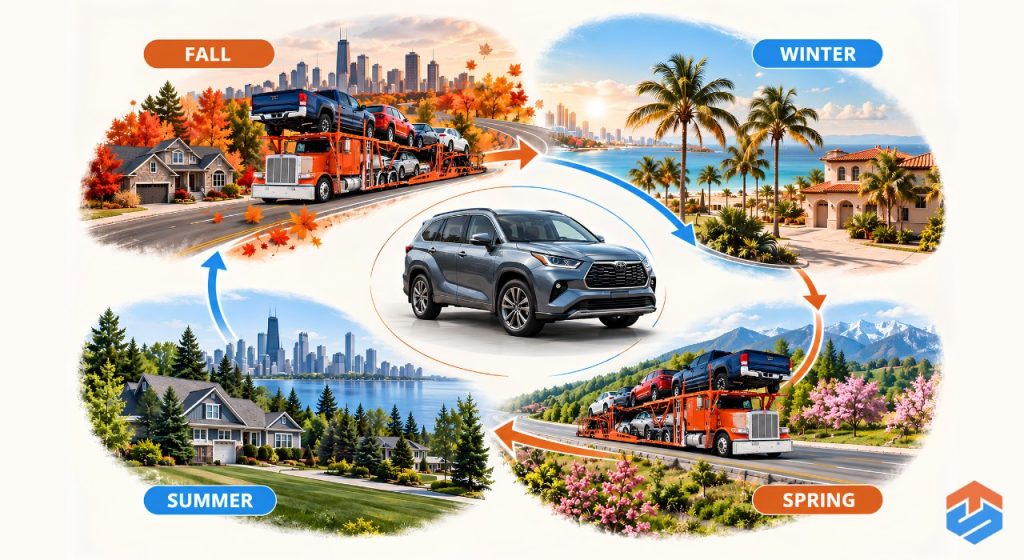
Snowbird car shipping is the seasonal transport of a vehicle between a primary home in a colder state and a winter residence in a warmer one. The car moves south in the fall, stays with its owner through the winter, and moves back north in the spring.
Mechanically, it’s the same service as any long-distance car shipment. A licensed carrier picks the vehicle up, loads it onto a truck, and delivers it to the address you choose. What makes it different is timing. Thousands of people want the same routes in the same few weeks, twice a year, and that affects availability, scheduling, and price.
Why Do Snowbirds Ship Their Cars Instead of Driving?
Driving feels like the cheaper option because the only visible cost is gas. The full picture is different. AAA’s Your Driving Costs study puts the average fuel cost at 13 cents per mile, and fuel plus maintenance for a medium sedan at roughly 23 cents per mile. A New York-to-Tampa run is about 1,150 miles one way, so a fall-and-spring round trip adds around 2,300 miles to your car and more than $500 in operating costs, plus hotels, meals, and four or more days of driving.
On cash alone, a one-way shipment often costs more than the gas and maintenance for the same drive. What you’re paying for is the time, the miles you don’t put on the car, and not driving 10 hours a day through November weather. For snowbirds who’d rather fly, that trade is usually worth it.
| Drive yourself | About 23¢ per mile in fuel and maintenance, plus hotels, meals, and 2+ days each way | People who enjoy the road trip or need the car along the way |
| Open transport | A carrier quote; the lowest-cost shipping option | Most daily drivers |
| Enclosed transport | A higher quote for a covered trailer | Classic, luxury, and garage-kept cars |
| Amtrak Auto Train | A passenger ticket plus a vehicle fare; you still drive to and from the stations | Travelers already near Washington, DC, heading to Central Florida |
The Amtrak Auto Train is worth knowing about, but it runs only one route: Lorton, Virginia, to Sanford, Florida, near Orlando. From Boston, Chicago, or Detroit, you’d still drive hundreds of miles to reach the station, and again from Sanford to your winter home. For anyone not already near either end, door-to-door transport is usually simpler.
Where Do Snowbirds Usually Ship Their Cars?
Most seasonal shipments follow a handful of well-worn corridors. That helps you: busy routes have more carriers running them, which usually makes scheduling easier.
| Northeast (New York, New Jersey, Massachusetts, Pennsylvania, Connecticut) | Florida’s Atlantic and Gulf coasts | South in fall, north in spring |
| Midwest (Michigan, Ohio, Illinois, Indiana, Wisconsin) | Florida, Arizona | South in fall, north in spring |
| Upper Midwest and Plains (Minnesota, Iowa, the Dakotas) | Arizona, Texas Rio Grande Valley | South and west in fall, back in spring |
| Mountain West and Pacific Northwest (Colorado, Washington, Oregon) | Arizona, Southern California | South in fall, north in spring |
If your winter home sits off these main lanes, such as a rural area or a gated community with tight streets, expect a slightly longer pickup window or a meeting point near a main road. Our door-to-door auto transport guide explains how that works.

How Much Does Snowbird Car Shipping Cost?
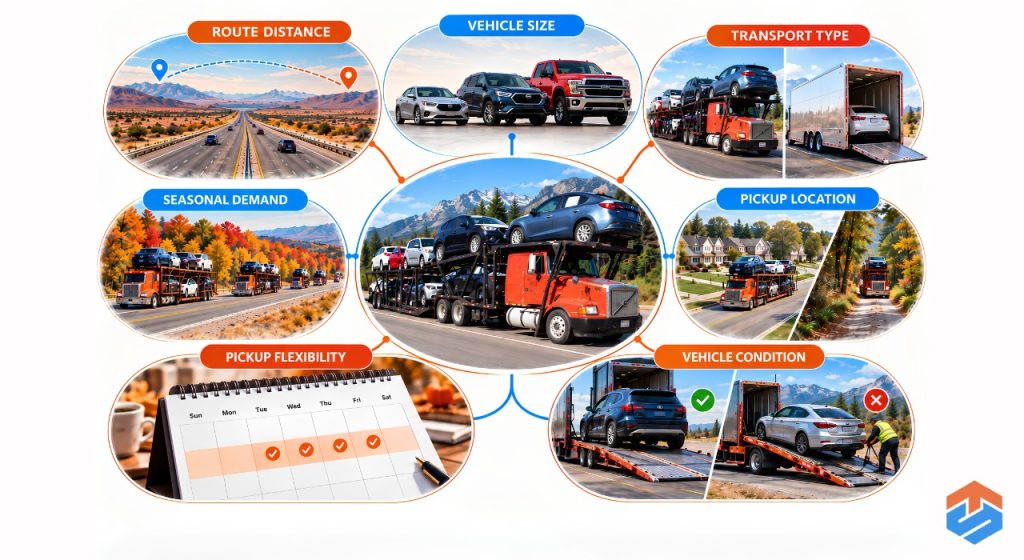
There’s no single seasonal price. Most domestic car shipments fall roughly between $500 and $1,500, and where yours lands depends on these factors:
For a full breakdown of how a quote is built, see how to calculate vehicle shipping cost. If you’re budgeting for the season, price both directions, since the spring trip north runs through its own peak. Our explainer on auto transport billing covers deposits and when the balance is due.
A current, route-specific quote beats any national average. You can request a free quote with your pickup ZIP, winter-home ZIP, and vehicle details.
When Should You Ship Your Car South, and Back North?
Most snowbirds ship their cars south between October and early December and back north between March and May. The exact rush depends on where you’re going. Southbound traffic to Florida tends to be heaviest before Thanksgiving, and the northbound wave builds after Easter.
Shipping at the edges of the season, in late September or early October, and again in late February or early March, usually means more carrier availability than the middle of the peak.
How Far in Advance Should Snowbirds Book Car Shipping?
During peak weeks, book two to three weeks ahead. Outside the peak, about a week is often enough. Booking early doesn’t lock in a truck on a specific day, but it gives you a better chance at the pickup window you want.
The most common snowbird mistake is booking a flight for the exact day the car is supposed to arrive. Car shipping works on windows: a pickup window of a few days, followed by transit time that weather and traffic can stretch. Early-winter storms in the Northeast and Midwest are a real factor, as our guide on how weather affects vehicle shipping explains.
A safer plan is to ship the car a few days before you fly, or have a neighbor, property manager, or family member receive it at your winter address. The same applies at pickup: someone you trust can hand the car over after you’ve left.
How Snowbird Car Shipping Works, Step by Step
If you’re wondering who actually moves your car when you book through a company like ours, our article on broker vs carrier explains the handoff. For paperwork, see documents you need during auto transport.
Open vs Enclosed Transport for Snowbirds
Most snowbirds ship on open carriers, the same multi-level trucks that deliver new cars to dealerships. They’re the most widely available option and the lower-cost one, which matters when you ship twice a year. Your car is exposed to weather and road dust in transit, much as it would be if you drove it.
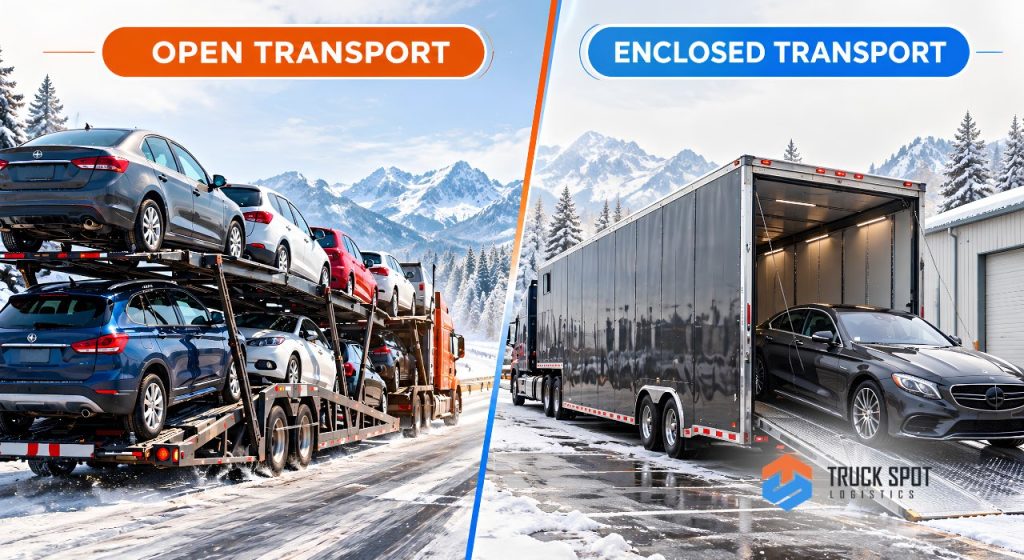
Enclosed transport puts your car in a covered trailer. It costs more, but it’s worth considering for a classic, a luxury car, or a vehicle you normally keep in the garage.
| Cost | Lower | Higher |
| Protection | Exposed to weather and road debris | Fully covered |
| Availability in peak season | Broad | More limited; book earlier |
| Best for | Everyday cars, SUVs, pickups | Classic, luxury, high-value vehicles |
For more detail, see our guides to open auto transport, enclosed auto transport, and shipping luxury cars.
How to Prepare Your Car for a Season Away
Your car will spend a few days on a truck and then several months in a different climate, so preparation covers both the trip and the winter.
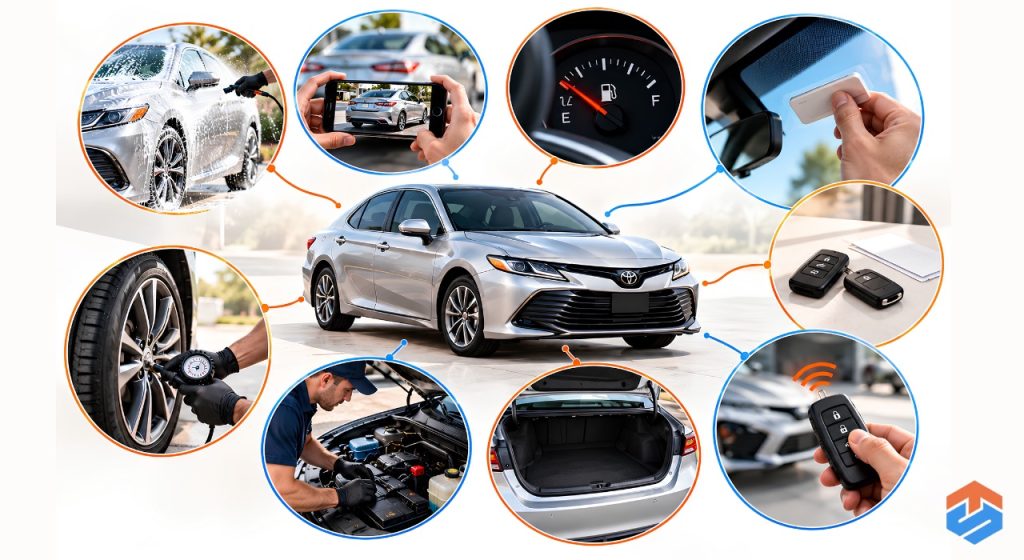
Our fall car shipping checklist goes deeper on seasonal prep.
Can You Put Personal Items in Your Car When Shipping It?
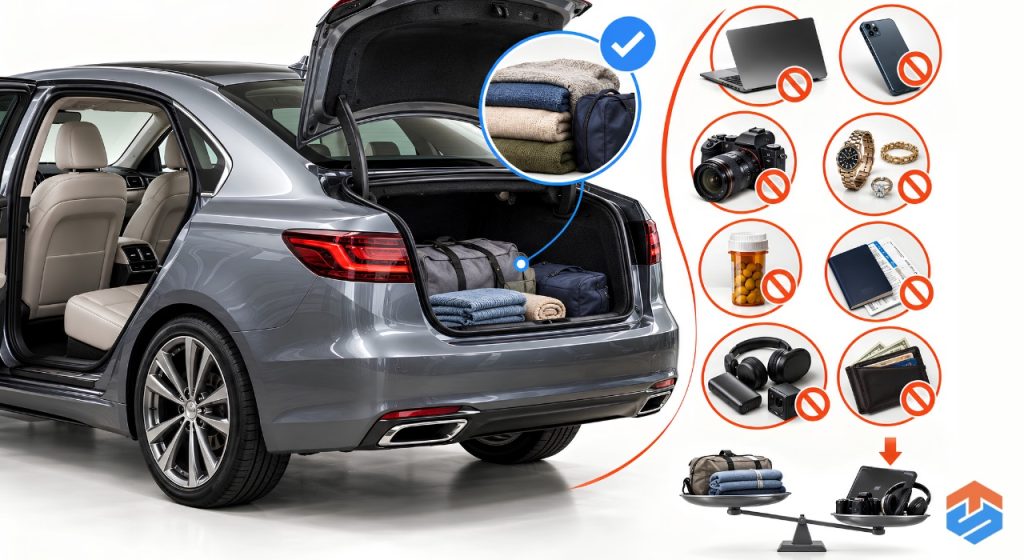
This is the question snowbirds ask most, because the trunk looks like free luggage space. Car carriers are licensed to move vehicles, not household goods; moving belongings is a separate, regulated service under FMCSA rules. In practice, most carriers allow up to about 100 lbs of soft, non-fragile items in the trunk or below the window line, but that allowance is a carrier policy, not a right.
Anything you leave inside isn’t covered by the carrier’s cargo insurance, which protects the vehicle only. Keep electronics, jewelry, medications, and documents with you, and confirm the carrier’s policy before you pack anything.
Shipping more than a car?
Many snowbirds winter with more than one vehicle: a golf cart for the community, a motorcycle, or an RV. We also arrange golf cart shipping, motorcycle shipping, and RV and travel trailer shipping, so you can plan the whole move together.
How Long Does Snowbird Car Shipping Take?
Plan on two separate periods. First comes the pickup window, usually a few days, while a carrier on your route is scheduled. Then comes transit: roughly three to five days for a 500 to 1,500-mile route, and about a week or more for longer runs such as the Pacific Northwest to Arizona. Peak-season demand and winter weather can stretch both, which is why a buffer between delivery and your own arrival matters.
Fall-to-Spring Snowbird Checklist
Before you leave your northern home
Before you head back north
Ready to Book Your Snowbird Shipment?
If your dates and destination are set, the fastest next step is a real number for your route. Enter your two ZIP codes and vehicle details, and you’ll get a quote in about a minute — no upfront payment to book.
Still weighing your options? Our car shipping service page covers what’s included, how carriers are vetted, and what happens at pickup and delivery.
FAQs About Snowbird Car Shipping
What do snowbirds do with their cars?
Most either drive them south, ship them on a car carrier, or leave them home and rent a car for the season. Shipping is popular with snowbirds who prefer to fly and want their own car for several months, since long-term rentals often cost more than a round-trip shipment.
Is it cheaper to drive or ship a car to Florida for the winter?
In direct cash, driving is often cheaper one way: AAA puts fuel and maintenance for a medium sedan at about 23 cents per mile. Shipping saves two or more days of driving each way, hotel and meal costs, and more than 2,000 miles of wear per season on a Northeast-to-Florida round trip.
How far in advance should I book snowbird car shipping?
Two to three weeks ahead during the peak months, which are October and November heading south and March and April heading north. Outside those periods, about a week is usually enough.
What is the cheapest time to ship a car south for winter?
The edges of the season, such as late September or early October, usually have more carrier availability than the pre-Thanksgiving peak. A flexible pickup window can also lower your rate.
How long does it take to ship a car from New York to Florida?
Transit on a route of roughly 1,000 to 1,500 miles typically takes three to five days after pickup. Add a pickup window of a few days, and allow extra time during peak season or bad weather.
Can I ship my car before I fly south?
Yes, and that’s the safest plan. Ship the car a few days before your flight, or have someone receive it at your winter address, so you aren’t waiting on a delivery the day you land.
Does my car have to be empty when I ship it?
Not completely. Most carriers allow up to about 100 lbs of soft items in the trunk, but those items aren’t insured and policies vary. Always confirm with the carrier first.
Can I ship my car to Florida and back in the spring?
Yes. The spring trip north works the same way as the fall trip south. Book it early, since March and April are the busiest months for northbound transport.
Do I need to be there at pickup and delivery?
You or someone you authorize must be present at both to inspect the car and sign the Bill of Lading. Many snowbirds ask a neighbor, relative, or property manager to handle one end.
Is my car insured during snowbird transport?
Your vehicle is covered by the carrier’s cargo insurance while it’s in transit. Personal items inside the car aren’t covered. Ask for the carrier’s insurance information before pickup, and note any damage on the Bill of Lading at delivery.